Rotherhithe road clearance and rubbish collection SE16
Posted on 10/08/2026
Rotherhithe road clearance and rubbish collection SE16: a practical local guide for homes, landlords, and businesses
If you are dealing with clutter outside a property, builders' debris after a small refurb, or a full clear-out that has spilled onto the pavement, Rotherhithe road clearance and rubbish collection SE16 is one of those jobs that looks simple at first and then suddenly isn't. The street is tight, parking can be awkward, and a pile of waste left "just for a bit" can turn into a neighbour complaint faster than you'd expect. In a busy part of South East London, the difference between a smooth collection and a stressful one is usually planning.
This guide breaks down how road clearance and rubbish collection works in Rotherhithe, who it helps, what to watch out for, and how to keep things tidy, safe, and compliant. We'll keep it plain-English and practical. No fluff. Just the kind of detail that actually helps when you need the job done properly.
Why Rotherhithe road clearance and rubbish collection SE16 Matters
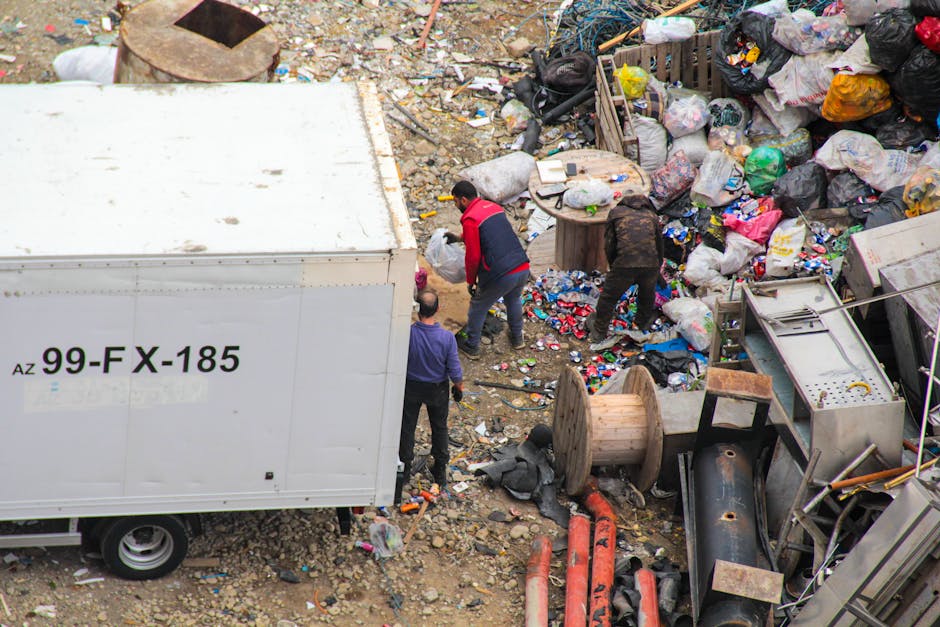
Road clearance is not just "taking away rubbish." It is about managing waste in a way that keeps access open, prevents hazards, and avoids that familiar awkward moment when a neighbour has to step round your sofa, broken fencing, or bagged junk on the pavement. In Rotherhithe, where residential streets, flats, conversions, and busy local routes often sit close together, waste can become a public issue quickly.
That matters for a few reasons. First, there is the obvious visual side. A clean street looks cared for. Second, there is safety. Loose rubble, old timber, glass, and even overfilled bags can block walkways or create trip hazards. Third, there is timing. Some waste can't simply sit outside until "later this week" because weather, passers-by, and local enforcement do not always wait politely.
For landlords, managing agents, shop owners, and tradespeople, the stakes are even higher. A delayed collection can affect access for tenants, create complaints, and slow down the next part of the job. If you are looking at wider property work in the area, it can be useful to think about waste clearance as part of the whole process, not an afterthought. For example, people involved in property transactions in Bermondsey often underestimate how much clearance work comes up between completion and letting, selling, or moving in.
There is also a local living angle. Anyone who has spent time around SE16 knows the mix: family homes, apartments, older buildings, and places where access can be a little fiddly. That is part of the charm, honestly, but it does mean a straightforward rubbish job can turn complex very quickly.
Expert summary: In Rotherhithe, effective clearance is less about brute force and more about planning access, sorting waste sensibly, and removing it quickly enough to keep the street safe and usable.
How Rotherhithe road clearance and rubbish collection SE16 Works
At its simplest, the process follows a few sensible stages. You identify what needs removing, work out how accessible it is, decide whether anything can be reused or recycled, and arrange collection at a time that suits the property and the street. The details matter, though, because no two clearances are quite the same.
In a road-based collection, waste may be brought out from a front garden, basement, flat, alley, loading area, or roadside point. Sometimes the waste is already bagged and ready. Sometimes it is mixed: a bit of old furniture, a few boxes, broken tiles, general household items, and the odd thing you forgot was even there. We've all seen that one cupboard with "useful bits" from three different decades. It happens.
A good service will usually assess:
- the type of waste involved
- how much space it will take in the vehicle
- whether manual carrying is needed from inside the property
- if there are access issues, stairs, tight entrances, or parking limits
- what can be recycled, reused, or needs specialist handling
From there, the collection is planned so the team can load efficiently and clear the area without dragging the job out. That sounds basic, but in practice it makes a big difference. A smart route and a well-prepared load often mean less disruption to you and the neighbours.
For some jobs, the waste falls naturally into a larger service type. A post-renovation load might be best handled as builders waste disposal in Bermondsey, while a move-out or long-overdue tidy-up may be closer to a full house clearance service. If it is mainly broken seating, cabinets, or worn-out domestic items, furniture disposal may be the cleaner fit.
Key Benefits and Practical Advantages
The best reason to organise proper road clearance is simple: it saves time and reduces stress. But there are several practical benefits that people often notice only after the job is done.
- Cleaner access: Clear pavements, shared entrances, and front areas mean people can move safely.
- Less neighbour friction: Nobody enjoys stepping over bags on a shared street. A quick collection keeps tensions down.
- Better recycling outcomes: Sorted waste is easier to divert from landfill where possible.
- Faster property turnaround: Useful for landlords, sellers, agents, and trades.
- Reduced DIY burden: You do not have to hire a van, find disposal sites, or make multiple trips.
- More predictable handling: A professional collection is usually more straightforward than trying to manage waste piecemeal.
There is also the less obvious benefit of headspace. A cluttered frontage can make the whole place feel heavier than it should. Clear it, and everything tends to breathe a bit easier. Funny how that works. A tidy entrance can make a property feel more finished, even if the rest of the work is still underway.
For people who live locally and want the neighbourhood to feel well kept, there is a broader value too. Rotherhithe sits within an area where residents care about the look and feel of the street. If you are interested in the day-to-day character of the district, this sits alongside guides like what it is like to live in Bermondsey and things to do and see in this unique borough, because local living and local upkeep are closely connected.
Who This Is For and When It Makes Sense
This kind of rubbish collection is useful for more people than you might think. It is not only for big building sites or dramatic hoarders-and-house-clearing television moments. Most of the time, it is ordinary life getting messy in ordinary ways.
You may need it if you are:
- a homeowner doing a declutter or small renovation
- a landlord preparing a property for new tenants
- a tenant moving out and leaving bulky waste behind
- a business owner clearing stock, packaging, or old office items
- a tradesperson with a compact but awkward pile of site waste
- an estate agent or property manager working to a tight handover deadline
It also makes sense when waste is too bulky for standard bins, too mixed for a simple bin-day routine, or too awkward to move without help. If a job involves stairs, a narrow hallway, wet weather, or heavy furniture, that is usually the point where people decide to stop improvising and get it handled properly.
One small but important clue: if waste has been sitting for a while and starts to attract attention from passers-by, it is probably time to move fast. That includes things left outside after a clear-out, a tenancy change, or a trades job. In SE16, a "we'll sort it tomorrow" approach can very quickly become a problem for everyone on the street.
For office moves or back-room clearances, it can help to look at the wider picture. A lot of businesses benefit from a coordinated approach that includes office clearance support rather than trying to piece together removal of desks, chairs, archive boxes, and mixed rubbish separately.
Step-by-Step Guidance
If you want the process to go smoothly, a little preparation goes a long way. Here is a practical step-by-step way to approach road clearance or rubbish collection in Rotherhithe.
- Sort the waste into sensible groups. Separate bulky items, general rubbish, recyclable materials, and anything potentially hazardous.
- Check access points. Look at front gates, stairwells, parking space, loading options, and whether the waste can be brought out safely.
- Remove anything you want to keep. This sounds obvious, but items meant to be saved sometimes get bundled up by accident. It happens more than people admit.
- Photograph the load if needed. A quick photo can help describe the job clearly and avoid surprises.
- Confirm the likely service type. General rubbish, furniture, garden waste, builders' waste, or a full property clearance each has its own handling needs.
- Book a suitable time slot. Think about traffic, neighbour routines, school runs, or business opening hours.
- Prepare the collection point. Keep pathways clear, move cars if necessary, and make sure doors or gates can be opened easily.
- Allow for a final walk-through. Before the team leaves, check the area for anything missed.
That last step is oddly useful. Under pressure, people forget that one bag behind the bike rack or a single broken drawer in the shed. A quick walk-through at the end saves everyone a second round.
If your job is mainly about mixed household junk rather than a full property clearance, it may be worth comparing it with a standard waste collection service. That sort of match-up helps keep the booking simple and the outcome tidy.
Expert Tips for Better Results
A few small decisions make a surprisingly big difference to the result. Here are the things that tend to matter most in real life.
- Do not leave sorting until collection day. Mixed waste takes longer to handle and can complicate the job.
- Keep recyclables separate where practical. Cardboard, metal, wood, and some plastics are often easier to manage when separated.
- Think about weather. Rain makes cardboard heavy, creates mud, and turns simple carrying into a bit of a faff.
- Measure bulky items if space is tight. A sofa or wardrobe that looks manageable indoors may be awkward at the exit.
- Be realistic about access. If the route is narrow or involves stairs, say so early. It saves time for everyone.
- Plan around neighbours. Early mornings, late evenings, and school-run times can make a straightforward job unpopular very quickly.
There is also a quiet rule from experience: if you think something might be heavy, it probably is. Old cabinets, broken white goods, and waterlogged timber can be sneaky. They look harmless until somebody tries to lift them and suddenly everyone is doing that polite shuffle of "oh no, after you."
For homeowners thinking about garden edging, hedge cuttings, or leftover soil, separate green waste early rather than throwing it in with mixed rubbish. If the load is mostly cuttings, branches, or general outdoor debris, a targeted garden waste removal option can be more efficient.
Common Mistakes to Avoid
Most clearance problems come from avoidable oversights, not big disasters. The good news is that they are usually easy to fix next time.
- Putting waste out too early: This can create an eyesore, attract unwanted attention, and block access.
- Mixing special items with general rubbish: Certain materials need separate handling or extra care.
- Underestimating quantity: A small-looking pile can be bigger once it is stacked, bagged, and sorted.
- Ignoring access details: Tight corners, locked gates, and parked cars can slow everything down.
- Forgetting building management rules: Some flats and managed properties have specific procedures for collections.
- Assuming all waste is the same: Furniture, rubble, green waste, and office junk each need slightly different treatment.
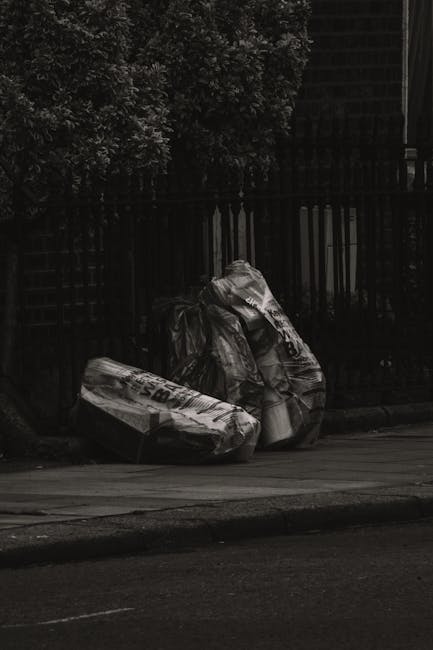
One of the most common slips is trying to save time by jamming everything into black bags and hoping for the best. That works right up until it doesn't. Then you have split bags, spillage, and a load that is more annoying to handle than it needed to be.
If the job follows a refurbishment, it is worth reviewing the waste stream before removal day. Construction offcuts, plaster, broken tiles, and packaging often need to be separated from domestic items. For projects with more debris than furniture, the builders' route is usually the cleaner fit.
Tools, Resources and Recommendations
You do not need specialist equipment for every clear-out, but a few simple tools make the process easier.
- Heavy-duty bags: Better than thin bags that split halfway to the kerb.
- Gloves: Useful for sharp edges, dusty items, and general grip.
- Labels or tape: Handy for marking keep, donate, recycle, and remove.
- Trolley or sack truck: Great for heavier items if the route allows it.
- Basic measuring tape: Worth it for checking bulky furniture and awkward doorways.
- Phone camera: Helpful for documenting the load before booking and after clearance.
For anyone comparing their options, this is also the stage to review service pages and learn what each one covers. A broad services overview helps you spot whether your job is best treated as household rubbish, furniture disposal, office clearance, or something more specific.
It can also help to read about how a provider approaches sustainability, because not every collection is handled with the same care. A useful local resource is the page on recycling and sustainability, which is worth checking if you want a better sense of how recyclable material is dealt with.
And if the job feels too broad to pin down, ask for a clear quote structure. Transparent pricing is a real sanity-saver. Nobody enjoys a vague estimate that changes the minute the van arrives.
Law, Compliance, Standards, or Best Practice
Waste handling in the UK comes with responsibilities, even for small household jobs. The exact rules can vary depending on the waste type and who is moving it, but the principle is simple: waste should be stored safely, collected responsibly, and taken to an appropriate facility by someone who is authorised to handle it.
For property owners and landlords, best practice usually means keeping records, using reputable operators, and not leaving unclear waste streams sitting around. For businesses, the bar is a bit higher because commercial waste has its own expectations around duty of care and documentation. If you are unsure, treat compliance as a practical issue rather than a paperwork chore. It protects you if anything is questioned later.
There are also safety norms that matter in ordinary jobs:
- do not block fire exits or shared pathways
- keep sharp or broken items contained
- avoid overloading bags to the point they tear
- separate hazardous or specialist items when required
- make sure children and pets cannot access the waste pile
On the provider side, it is sensible to look for clear information about insurance, public safety, and how collections are managed. A dedicated insurance and safety page is a good sign that the company takes the practical side seriously, not just the marketing.
For users, the safest approach is simple: be honest about what you have, describe access accurately, and do not mix unknown materials into the pile. A little clarity upfront avoids a lot of "oh, actually..." later on.
Options, Methods, or Comparison Table
There are usually several ways to clear waste in Rotherhithe. The right one depends on volume, urgency, item type, and how much lifting you want to do yourself. Here is a straightforward comparison.
| Method | Best for | Pros | Limits |
|---|---|---|---|
| DIY disposal | Very small, manageable loads | Low direct cost, full control | Time-consuming, lifting, transport, disposal effort |
| Man-and-van style collection | Single loads, mixed household rubbish, bulky items | Quick, convenient, less lifting for you | Access still needs planning, not ideal for large specialist waste |
| Full property clearance | Tenancy changes, probate, major declutters, larger rooms or homes | Broad coverage, efficient for complex jobs | More involved planning, may be more than some jobs need |
| Specialist waste service | Builders' debris, green waste, office items, furniture-only loads | Better matched to the waste type, often cleaner sorting | Requires clearer categorisation before booking |
The main decision is not usually "which is cheapest?" It is more often "which will solve the problem with the least disruption?" Those are not always the same thing. In a narrow street or a busy block, convenience can be worth its weight in, well, old broken chairs.
If the waste is mainly domestic clutter and furniture, a combination of house clearance and furniture disposal may be the neatest route. If you are dealing with a local street-side issue in a smaller SE1-adjacent setting, this earlier guide on Bermondsey Street rubbish collection in SE1 is also a helpful nearby reference point.
Case Study or Real-World Example
Take a fairly typical local scenario. A small landlord in SE16 has a flat to prepare between tenancies. The tenant has already moved out, but there is still a broken wardrobe, a mattress, several bags of mixed rubbish, and a few dusty items in the hallway cupboard. Nothing dramatic. Just enough to be annoying.
At first glance, the job looks like a one-hour tidy-up. In practice, access matters: the stairwell is narrow, there is limited parking, and a neighbour is not thrilled about clutter in the common area. The best move is to sort items first, keep anything reusable apart, and make sure the collection happens promptly rather than letting the waste sit for days.
What changes the outcome here is not effort, it is sequence. The landlord checks the access route, confirms the types of waste, and chooses a service that can handle both bulky furniture and general rubbish in one visit. That avoids three separate headaches: repeated lifting, complaints about shared-space obstruction, and delays to the next tenancy.
It is a simple example, but it mirrors what happens a lot in the area. The best results usually come from good planning, not heroic lifting. No one needs a medal for wrestling a wardrobe down a staircase at 7am.
Practical Checklist
Use this before collection day to keep things smooth.
- Confirm exactly what needs removing.
- Separate keep, donate, recycle, and dispose items.
- Measure bulky furniture or awkward items if needed.
- Check stairs, gates, parking, and loading access.
- Remove anything fragile or valuable from the area.
- Make sure pathways and exits are clear.
- Keep hazardous items out of the general pile.
- Photograph the load if you want a clearer briefing.
- Choose the right service type for the waste.
- Walk through the area at the end to catch anything missed.
If you are dealing with mixed waste plus leftover furniture, it can be smart to combine the collection plan with the relevant disposal method rather than treating everything as one big heap. That small bit of structure saves time, and usually money too.
Conclusion
Rotherhithe road clearance and rubbish collection SE16 is ultimately about making a busy local environment easier to live and work in. When the waste is sorted properly, the access is planned well, and the right service is chosen, the whole process becomes much less stressful than most people expect. That is the real goal: not just removing rubbish, but restoring order without creating new problems along the way.
Whether you are a homeowner, landlord, tenant, or business owner, the smartest approach is to act early, describe the job clearly, and think about safety as part of the process rather than an afterthought. In an area like Rotherhithe, that tends to pay off quickly.
Get a free quote today and see how much you can save.
And if you are planning a bigger move, clear-out, or investment-related property project, a bit of tidy groundwork now can make the next step feel far lighter. Sometimes that is all it takes.

 Tipper Van - Rubbish Disposal and Waste Collection Prices in Bermondsey, SE16
 Luton Van - Rubbish Disposal and Waste Collection Prices in Bermondsey, SE16


